

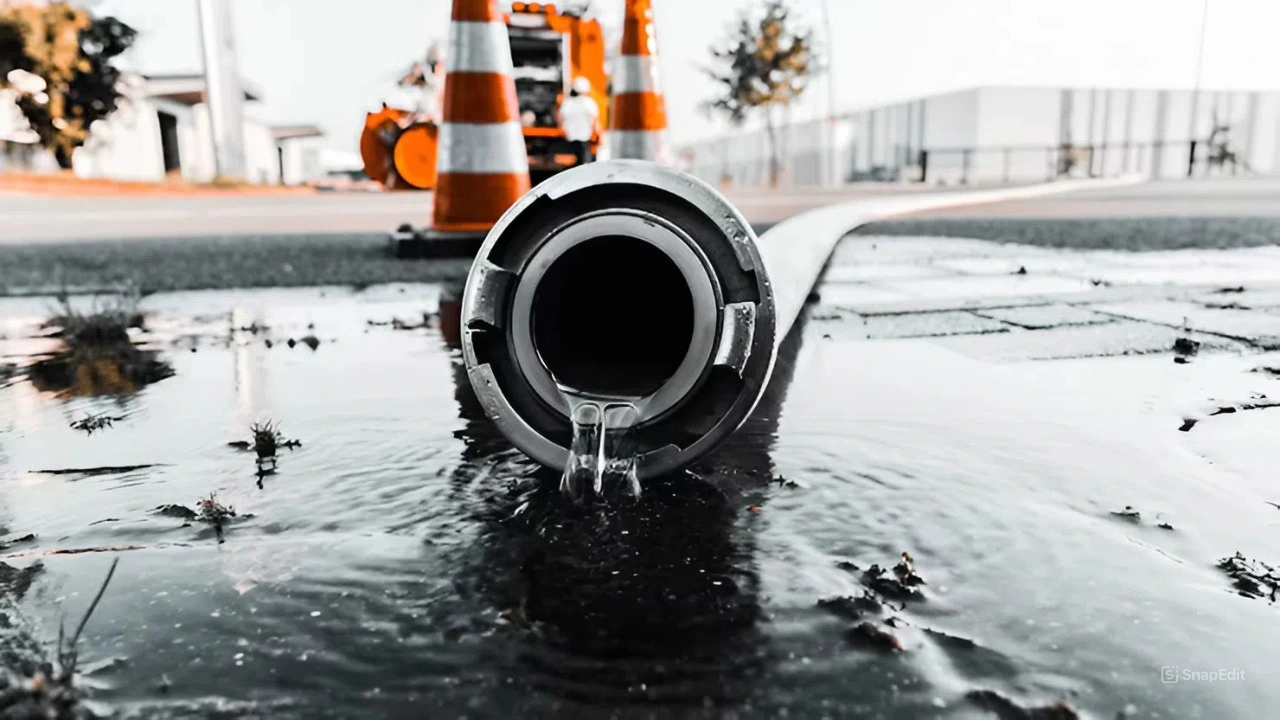
The UK’s changeable climate means rain is a regular feature throughout the year. While moderate rainfall is rarely a concern, prolonged wet weather and intense downpours can place considerable pressure on rainwater drainage systems.
When drainage systems become overwhelmed or poorly maintained, problems such as blocked drains, overflowing gutters, standing water and localised flooding can quickly develop. In more serious cases, excess water can contribute to damage to buildings, gardens, driveways, roads and other external areas.
Understanding the relationship between heavy rainfall and drainage problems can help homeowners and businesses take preventative action before minor issues become costly repairs.
How Does Heavy Rain Contribute to Blocked Drains?
One of the most common drainage problems during periods of heavy rainfall is blocked or slow-flowing drains.
During intense downpours, large volumes of water can enter surface water drainage systems within a short period. As rainwater flows across roofs, gardens, driveways and pavements, it can pick up leaves, soil, grit, litter and other debris.
This material can make its way into external drains and drainage channels. If it builds up over time, it can restrict water flow and reduce the system’s capacity. When another period of heavy rain arrives, the drainage network may struggle to cope, increasing the risk of overflowing drains and localised flooding.
Regular cleaning and maintenance can help prevent debris from accumulating and keep drainage systems working effectively.
Heavy Rainfall and the Risk of Flooding
When water cannot drain away efficiently, it naturally looks for an alternative route. This can result in water pooling around properties, gardens, driveways and other low-lying areas.
Persistent water accumulation can cause a range of problems, including:
- Water entering buildings through vulnerable areas
- Damp and moisture-related damage
- Damage to driveways, paving and landscaping
- Soil erosion around buildings
- Pressure on foundations and external structures
- Localised flooding around roads and properties
The risk can be particularly high where drainage systems are old, damaged, undersized or poorly maintained.
Common Drainage Problems During Wet Weather
Heavy rainfall can contribute to several different drainage issues, not just blocked drains.
1. Overflowing Gutters and Downpipes
Gutters and downpipes are designed to collect and direct rainwater safely away from a property. During heavy rainfall, however, blocked or undersized systems may struggle to cope with the volume of water.
Leaves, moss and other debris can also restrict the flow. Overflowing gutters can allow water to run down walls or penetrate vulnerable areas of a building, potentially contributing to damp and structural deterioration.
Cleaning gutters and checking downpipes regularly can help reduce these risks.
2. Standing Water on Gardens and Driveways
Heavy rainfall can quickly saturate the ground, particularly where natural drainage is poor or surfaces are largely impermeable.
Standing water can develop on lawns, patios, driveways and paths, making outdoor areas difficult to use and potentially causing damage over time.
Improving surface drainage, introducing permeable surfaces or installing suitable drainage features can help rainwater disperse more effectively.
3. Sewer and Drain Backups
Periods of exceptionally heavy rainfall can place additional pressure on sewer and drainage networks. Where systems become overwhelmed, there can be an increased risk of water backing up through drains.
Sewer-related problems can be particularly unpleasant and potentially hazardous, making professional assistance important where contaminated water or persistent backups are involved.
4. Surface Water Run-Off
Rainwater running rapidly from roofs, paved areas and roads can place significant pressure on surface water drainage systems.
Where there is insufficient capacity, water can collect in low-lying areas or flow towards buildings. Effective surface water management is therefore an important part of protecting properties from the effects of heavy rainfall.
How to Prevent Rainwater Drainage Problems
Although the weather cannot be controlled, there are several practical measures that can help reduce the impact of heavy rainfall.
Keep Drains and Gutters Clear
Regular cleaning is one of the simplest ways to maintain an effective drainage system. Remove leaves, mud and other debris from gutters, drain covers and accessible drainage channels.
Autumn is particularly important for gutter maintenance, but inspections should continue throughout the year.
Consider Sustainable Drainage Systems
Sustainable Drainage Systems, commonly known as SuDS, are designed to manage rainwater closer to where it falls rather than relying entirely on conventional drainage networks.
Depending on the property, solutions can include:
- Permeable paving
- Rain gardens
- Swales
- Green roofs
- Soakaways
- Rainwater harvesting systems
These approaches can help slow down surface water run-off and reduce pressure on existing drainage infrastructure.
Improve External Drainage
If water regularly collects in a garden, driveway or other outdoor area, it may be worth assessing the existing drainage arrangement.
Solutions such as French drains, channel drains, soakaways or improved surface gradients may help direct excess water away from vulnerable areas.
Any new drainage installation should be properly designed for the property and local ground conditions.
Inspect the Roof and Guttering
Roofing and rainwater drainage systems work together. Damaged roof coverings, blocked gutters or defective downpipes can prevent rainwater from being directed away from the building effectively.
Regular inspections can identify issues before prolonged wet weather turns them into more serious problems.
Consider Rainwater Harvesting
Rainwater harvesting systems collect and store rainfall for suitable non-potable uses, such as watering gardens or other applications where appropriate.
By capturing some of the rainwater that would otherwise enter the drainage system, these systems can also help reduce surface water run-off.
When Should You Call a Drainage Professional?
Some drainage problems can be resolved through routine maintenance, but persistent or recurring issues may indicate a more serious underlying problem.
Professional drainage services can be useful where you notice:
- Drains repeatedly becoming blocked
- Water draining unusually slowly
- Persistent standing water
- Unpleasant smells coming from drains
- Gurgling or unusual drainage noises
- Overflowing external drains
- Water backing up after rainfall
- Signs of damaged or collapsed drainage pipes
A professional assessment can help identify the cause of the problem and determine whether cleaning, repairs, maintenance or a larger drainage upgrade is required.
Protecting Your Property from the UK’s Wet Weather
Heavy rainfall is an unavoidable part of the UK climate, but drainage problems do not have to be.
Keeping gutters and drains clear, monitoring areas where water tends to collect and maintaining external drainage can all help reduce the risk of flooding and water-related damage. For properties that regularly experience surface water issues, more comprehensive solutions such as SuDS, rainwater harvesting or upgraded drainage may provide a longer-term approach.
By taking a proactive approach to rainwater management, homeowners and businesses can improve drainage performance, protect their properties and reduce the likelihood of costly problems when the next spell of wet weather arrives.

