
Winter can place considerable pressure on buildings across the UK. Freezing temperatures, heavy rainfall, strong winds, frost and occasional snowfall can all contribute to the deterioration of external building structures. Without regular inspections and preventative maintenance, minor defects can quickly develop into costly repairs, affecting both the safety and functionality of a property.
For commercial property owners, landlords, facilities managers and building maintenance professionals, preparing buildings for winter is essential. Roofs, façades, windows, gutters, drainage systems and external installations all require attention to withstand challenging seasonal conditions.
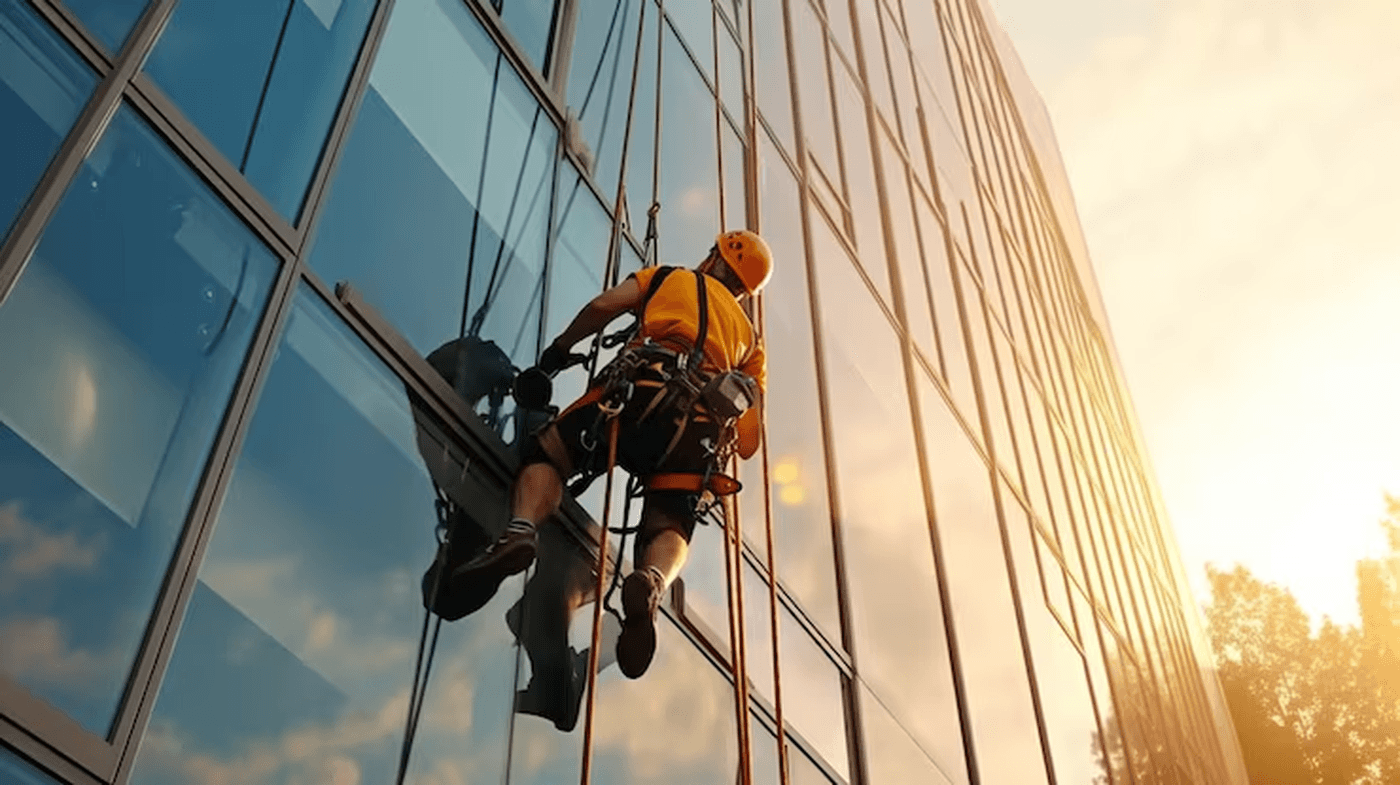
Maintaining high-rise buildings and structures with difficult-to-reach areas can present additional challenges. Rope access provides a practical solution for reaching elevated sections of buildings, allowing trained technicians to carry out inspections, cleaning and suitable repair work without always requiring extensive scaffolding or heavy access equipment.
Here are the key areas to consider when planning effective winter building maintenance across the UK.
1. Building Façade Inspections and External Repairs
Building façades are continuously exposed to changing weather conditions. During winter, freezing temperatures, strong winds and persistent rainfall can accelerate existing defects and cause deterioration to external surfaces.
Cracks, loose cladding, damaged sealants and deteriorating masonry can allow moisture to enter the building. When trapped water freezes and expands, it may worsen existing cracks and cause further damage to surrounding materials.
Regular façade inspections help identify potential problems before they become more serious.
Important maintenance activities include:
- Inspecting external walls for cracks and surface deterioration.
- Checking cladding panels for loose fixings or visible damage.
- Identifying damaged joints and deteriorating sealants.
- Inspecting external windows and surrounding frames.
- Checking for signs of water penetration and dampness.
- Arranging necessary repairs to maintain weather resistance.
Rope access techniques allow trained technicians to reach elevated and restricted sections of buildings for detailed inspections and appropriate repairs. This can be particularly useful for high-rise residential blocks, commercial premises and large structures where conventional access arrangements may be difficult.
2. Window Cleaning and External Glazing Maintenance
Windows and external glazing can accumulate dirt, pollution, rainwater deposits and environmental debris throughout the winter months. Keeping glazing clean helps maintain the appearance of a property while allowing natural daylight to enter internal spaces.
Winter is also an important time to check external windows for signs of deterioration. Damaged frames, loose fittings and failing seals can increase the risk of draughts and water penetration.
Regular window maintenance should include:
- Removing accumulated dirt and grime from external glazing.
- Inspecting glass for visible cracks and damage.
- Checking window frames and perimeter seals.
- Identifying signs of condensation and moisture penetration.
- Ensuring external window components remain secure.
- Arranging repairs where damaged glazing or fittings are identified.
Rope access window cleaning offers a suitable solution for high-rise buildings and properties with difficult-to-reach windows. It allows technicians to access elevated glazing while potentially reducing the need for extensive scaffolding.
Cleaning activities should always be scheduled around suitable weather conditions, as frost, ice and strong winds can make external work unsafe.
3. Gutter Cleaning and Drainage System Maintenance
Blocked gutters and drainage systems are common causes of winter-related property damage. Fallen leaves, moss, dirt and other debris can restrict water flow, causing gutters to overflow and rainwater to collect around vulnerable areas of a building.
During freezing conditions, standing water may turn to ice, potentially contributing to blockages and damage to guttering and downpipes.
Preventative gutter and drainage maintenance should involve:
- Removing leaves, moss and accumulated debris.
- Checking gutters for cracks, leaks and loose brackets.
- Inspecting downpipes for obstructions.
- Ensuring rainwater outlets remain clear.
- Checking drainage connections for visible damage.
- Identifying unwanted vegetation around roof edges and drainage systems.
For taller buildings and properties with restricted access, rope access can provide an efficient way to reach elevated guttering and drainage components.
Maintaining clear drainage systems helps prevent water from overflowing onto external walls, penetrating masonry and causing damage to internal building finishes.
4. Roof Inspections and Winter Maintenance
Roofs are among the most exposed parts of any building and must withstand a range of challenging weather conditions throughout the year. Heavy rainfall, strong winds, frost and occasional snowfall can highlight existing weaknesses in roofing materials and drainage arrangements.
Loose roof coverings, damaged flashing, deteriorating waterproofing and blocked drainage outlets can all increase the risk of water ingress.
A comprehensive winter roof inspection should consider:
- Checking for loose, cracked or missing roof coverings.
- Inspecting flashing, joints and waterproofing materials.
- Clearing accessible roof drainage outlets.
- Identifying signs of leaks and water penetration.
- Inspecting roof edges and exposed structural components.
- Checking visible damage following strong winds or storms.
Rope access can assist with inspecting difficult-to-reach roof sections and undertaking suitable repair activities where appropriate.
However, roof maintenance must be carefully planned. Ice, strong winds, heavy rain and poor visibility can create significant working-at-height risks. All work should follow appropriate safety procedures and site-specific risk assessments.
5. HVAC System Inspections and Maintenance
Heating, ventilation and air conditioning (HVAC) systems are essential for maintaining comfortable indoor environments during colder months. Commercial buildings, offices, residential developments and industrial premises often rely on external ventilation units, rooftop equipment and elevated mechanical installations.
As heating demand increases during winter, poorly maintained equipment can become less efficient or develop faults when it is needed most.
Important HVAC maintenance checks include:
- Inspecting external heating and ventilation equipment.
- Checking accessible pipework and insulation for damage.
- Identifying visible leaks and corrosion.
- Inspecting equipment brackets and support fixings.
- Ensuring external ventilation outlets remain unobstructed.
- Arranging servicing and repairs where necessary.
Rope access can help technicians reach elevated external equipment where conventional access methods may be impractical. This can support certain inspection and maintenance activities while reducing disruption to building operations.
Specialist mechanical and electrical work should always be undertaken by appropriately qualified professionals.
6. External Wall Cracks, Sealants and Water Ingress
Water penetration is a major concern for property owners during the UK winter. Persistent rainfall, fluctuating temperatures and freezing conditions can expose weaknesses in external walls, joints and protective finishes.
Cracked masonry, damaged pointing, deteriorating sealants and gaps around windows can allow moisture to enter a building. If these issues are ignored, they may contribute to dampness, mould growth, damaged plasterwork and deterioration of internal finishes.
Preventative inspections should focus on:
- Identifying cracks in external walls and masonry.
- Checking mortar joints and pointing for deterioration.
- Inspecting sealants around windows and doors.
- Identifying gaps in external joints and connections.
- Looking for visible signs of dampness and water penetration.
- Arranging suitable repairs to vulnerable areas.
Rope access techniques can provide access to elevated sections of external walls, enabling technicians to inspect defects and undertake appropriate maintenance without necessarily requiring full-building scaffolding.
7. Vegetation Removal and External Building Clearance
Unwanted vegetation growing on façades, roofs, gutters and other external structures can create additional maintenance concerns during winter.
Moss, climbing plants, weeds and accumulated organic material can retain moisture, obstruct drainage and contribute to the deterioration of external surfaces. Roots may also penetrate existing gaps in masonry and joints, potentially worsening structural defects.
Regular vegetation management helps maintain external building conditions and prevents unnecessary blockages.
Common maintenance activities include:
- Removing unwanted vegetation from external walls.
- Clearing moss and plant growth around roof edges.
- Removing debris from gutters and drainage channels.
- Identifying roots affecting masonry and external joints.
- Inspecting areas previously affected by vegetation.
- Addressing potential damage caused by persistent plant growth.
Rope access provides a practical way to reach vegetation located at height or in restricted positions, allowing suitable removal and maintenance work to be completed safely.
8. External Fixtures, Signage and Building Components
Strong winds, heavy rainfall and freezing temperatures can affect external fixtures and fittings. Loose signage, damaged lighting, unsecured cables and deteriorating brackets may become safety hazards if they are not identified and addressed promptly.
Commercial buildings and high-rise developments often contain numerous external components that require periodic inspection.
Winter maintenance checks should include:
- Inspecting external signage and advertising structures.
- Checking lighting fixtures and their supporting brackets.
- Identifying loose cables and external fittings.
- Inspecting visible fixings and support structures.
- Checking external equipment for signs of weather damage.
- Reporting unstable or damaged components for appropriate repairs.
Rope access allows trained technicians to reach elevated building components for inspections and suitable maintenance activities.
Addressing loose or damaged fixtures promptly is particularly important where falling objects could present a risk to pedestrians, occupants or nearby properties.
9. Why Rope Access Is Beneficial for Winter Building Maintenance
Traditional access methods, including scaffolding, mobile elevated work platforms and specialist lifting equipment, can sometimes involve considerable preparation, installation costs and disruption.
Rope access offers an alternative for suitable maintenance projects, particularly where buildings have restricted access, complex façades or difficult-to-reach external areas.
Some of the key advantages include:
Access to Difficult-to-Reach Areas
Rope access enables trained technicians to reach elevated façades, roof edges, external windows and other restricted locations that may be challenging to access using conventional methods.
Reduced Equipment Requirements
For suitable projects, rope access may eliminate the need for extensive scaffolding installations, reducing preparation time and equipment requirements.
Minimal Disruption to Building Occupants
Many rope access activities can be completed with less interference to building occupants, pedestrians and surrounding businesses.
Cost-Effective Maintenance Solutions
Reduced equipment requirements and potentially shorter preparation times can help manage the overall cost of suitable maintenance projects.
Versatility Across Different Maintenance Tasks
Rope access can support various activities, including façade inspections, external cleaning, vegetation removal, gutter maintenance and selected repairs.
Support for Preventative Maintenance
Regular access to elevated areas makes it easier to identify developing defects and arrange timely maintenance before problems become more extensive.
The appropriate access method should always be selected following a suitable assessment of the building, the work involved and the associated safety requirements.
10. How to Prepare Buildings for Winter
A proactive maintenance programme can help property owners and facilities managers reduce the impact of seasonal weather conditions.
Preparing buildings before temperatures drop allows sufficient time to identify defects and arrange essential repairs.
Consider the following winter maintenance priorities:
- Arrange external building inspections: Assess façades, roofs, windows and other exposed components for visible damage.
- Clear gutters and drainage systems: Remove accumulated leaves, moss and debris to maintain effective water flow.
- Inspect external glazing: Check windows for cracks, damaged frames and deteriorating seals.
- Check roof conditions: Identify loose coverings, damaged flashing and blocked drainage outlets.
- Inspect external equipment: Examine visible HVAC components, fixtures, brackets and signage.
- Manage vegetation growth: Remove unwanted plants and clear obstructions around external structures.
- Address structural defects: Prioritise cracks, damaged masonry and signs of water penetration.
- Plan regular maintenance: Arrange inspections throughout the winter rather than waiting for problems to develop.
- Review safety arrangements: Ensure all planned work at height has appropriate access systems, risk assessments and emergency procedures.
Maintenance schedules should be adapted to the building’s age, construction, location and exposure to severe weather.
The Importance of Preventative Winter Building Maintenance
Ignoring minor building defects during winter can lead to more extensive maintenance requirements. A small crack in an external wall, a blocked gutter or damaged roof flashing may initially appear insignificant but can develop into a more serious problem when exposed to prolonged rainfall and freezing temperatures.
Preventative maintenance helps property owners identify these issues early, maintain weather resistance and protect the long-term condition of their buildings.
For commercial property managers and facilities teams, regular inspections also help support building safety, reduce unexpected maintenance requirements and maintain a suitable environment for occupants.
Rope access can play an important role in these maintenance programmes by providing access to elevated and restricted areas where inspections and repairs might otherwise be difficult to arrange.
Frequently Asked Questions About Winter Building Maintenance
1. Why should buildings undergo maintenance before winter?
Pre-winter maintenance helps identify existing defects that could worsen during freezing temperatures, heavy rainfall and strong winds. Inspecting roofs, façades, gutters and external fixtures can help prevent water ingress, structural deterioration and avoidable repair costs.
2. Which parts of a building require the most attention during winter?
Roofs, gutters, drainage systems, external walls, windows, façades and exposed fixtures require particular attention because they are directly affected by seasonal weather conditions.
3. Can rope access be used for high-rise building maintenance?
Yes. Rope access is suitable for various high-rise maintenance activities, including façade inspections, external window cleaning, vegetation removal, gutter maintenance and selected repairs, subject to site conditions and safety requirements.
4. What causes winter damage to external building walls?
Heavy rainfall, freezing temperatures, moisture penetration and fluctuating weather conditions can contribute to cracks, damaged pointing, deteriorating sealants and external surface deterioration.
5. How can blocked gutters affect a building during winter?
Blocked gutters prevent rainwater from draining effectively. This can result in overflowing water, damp external walls, leaks and potential damage to drainage components, particularly when standing water freezes.
6. Is rope access a suitable alternative to scaffolding?
For many suitable maintenance activities, rope access can provide an alternative to scaffolding. It generally requires less installation equipment and can reduce disruption, although the appropriate method depends on the building and the nature of the work.
7. When should external building inspections take place?
Ideally, a comprehensive inspection should be arranged before winter begins. Additional inspections may be necessary following severe weather or when signs of damage, water penetration or loose external components are identified.
8. Can rope access technicians carry out roof repairs?
Trained and suitably qualified rope access technicians can undertake certain roof inspections and repairs, depending on the roofing system, work requirements and site-specific safety arrangements.
9. What are the benefits of regular building maintenance?
Regular maintenance helps preserve structural condition, improve building safety, reduce the likelihood of unexpected breakdowns and prevent minor defects from developing into more expensive repair projects.
Conclusion
Winter building maintenance is essential for protecting properties against the effects of freezing temperatures, heavy rainfall, strong winds and other challenging weather conditions. From façade inspections and roof maintenance to gutter clearance, window cleaning and vegetation removal, addressing vulnerable areas can help maintain the safety, appearance and functionality of buildings.
For high-rise developments, commercial premises and structures with difficult-to-reach external areas, rope access offers a flexible and efficient maintenance solution. It allows trained technicians to access elevated locations and carry out suitable inspections, cleaning and repair work with potentially less disruption than conventional access methods.
By prioritising preventative inspections and addressing defects promptly, property owners and facilities managers across the UK can protect their buildings, minimise avoidable maintenance costs and maintain their condition throughout the winter months.

