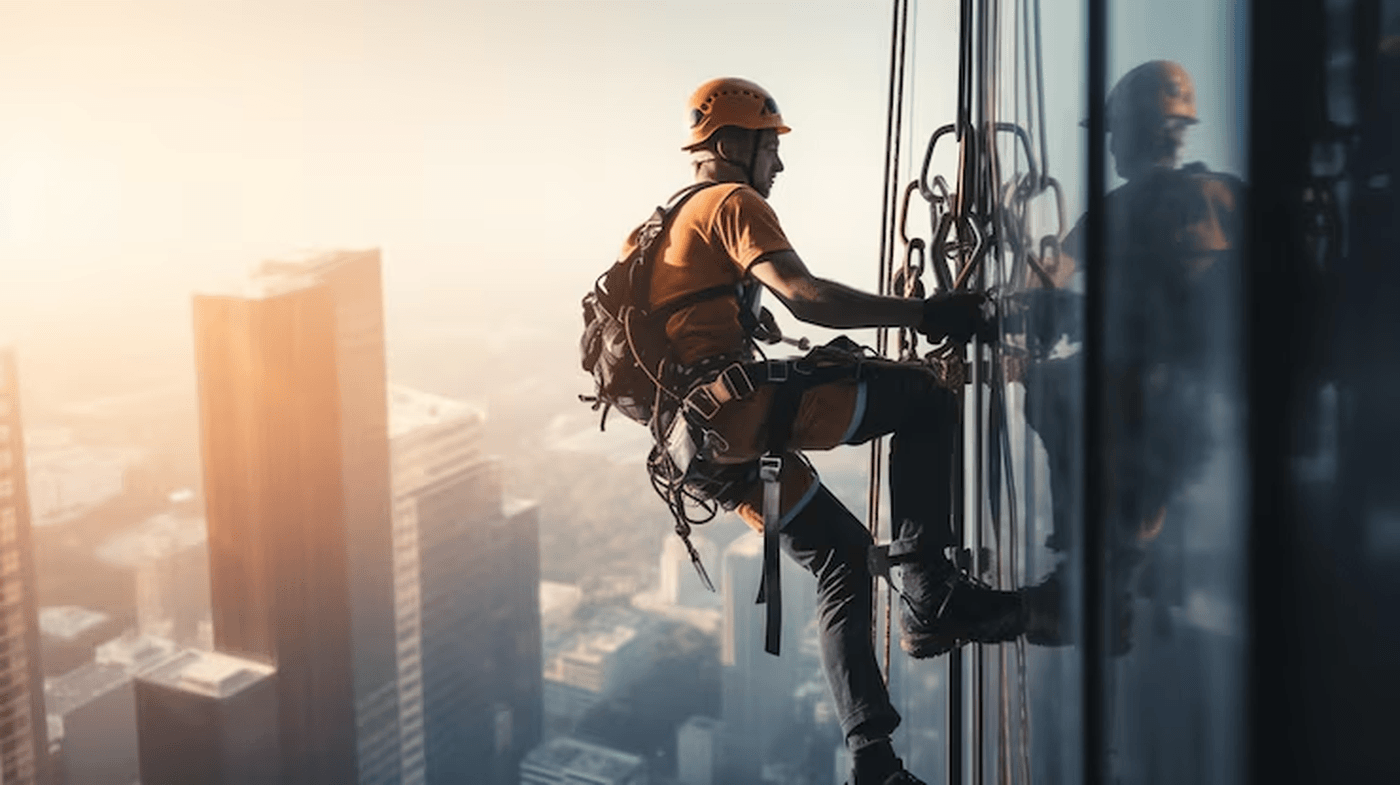
Pest-related problems can be difficult to manage when they occur on rooftops, building façades, high-level ledges, roof spaces and other hard-to-reach areas. For commercial property owners, facilities managers and building maintenance teams across the UK, dealing with birds and associated issues safely is essential to maintaining a clean, secure and well-maintained building.
Rope access pest control provides an effective solution for inspecting elevated areas, installing bird deterrents, maintaining netting systems and removing accumulated bird fouling where specialist access is required. Using industrial rope access techniques, trained technicians can reach challenging locations without always needing scaffolding, powered access platforms or other large access equipment.
Rope Access 24 Seven provides specialist rope access services for high-level building maintenance and pest-related work. Its IRATA-qualified technicians use professional rope access methods to access difficult areas and carry out suitable bird proofing, inspection and cleaning tasks, subject to site conditions and applicable regulations.
Whether you manage an office building, warehouse, residential block, retail premises or industrial facility, understanding the available rope access pest control options can help you protect your property and plan maintenance effectively.
What Is Rope Access Pest Control?
Rope access pest control involves using specialist rope-based access techniques to reach elevated or restricted areas where birds and other pest-related problems may affect a building.
Unlike conventional access methods, rope access can allow trained technicians to work directly on façades, roof edges, external structures and other difficult-to-reach locations. This approach can be particularly useful in busy urban areas, on tall commercial buildings and at sites where scaffolding would be disruptive or impractical.
Typical work may include:
- Installing bird netting to prevent birds from accessing selected areas.
- Fitting bird spikes and other suitable anti-perching deterrents.
- Inspecting and repairing existing bird proofing systems.
- Identifying and addressing potential bird entry points.
- Carrying out appropriate bird fouling removal and cleaning.
- Inspecting high-level areas affected by nesting activity.
- Completing suitable pest-related building maintenance.
The appropriate solution depends on the building’s design, the species involved, the extent of the problem and any relevant wildlife protection requirements.
Frequently Asked Questions About Rope Access Pest Control
1. What Is Pest Entry-Point Alteration?
Pest entry-point alteration involves identifying and modifying suitable access points that allow birds or other pests to enter unwanted areas of a building.
These locations may include roof gaps, openings beneath roof coverings, façade cavities, ventilation areas and spaces around building services. Depending on the circumstances, suitable work might involve fitting mesh, installing barriers, sealing appropriate gaps or modifying existing protective systems.
Before closing an opening, it is important to establish whether birds, bats or other protected wildlife may be nesting or roosting inside. Any necessary wildlife checks and legal requirements should be addressed before work begins.
Rope access can help technicians inspect these locations and complete suitable alterations without requiring extensive access equipment.
2. Can Bird Nests Be Removed Using Rope Access?
Yes, rope access can provide a way to reach bird nests located on high ledges, roof structures, façades and other elevated areas.
However, the legality of removing a nest depends on the species, nesting activity and circumstances. Under the Wildlife and Countryside Act 1981, as amended, it is generally an offence to intentionally damage or destroy the nest of a wild bird while it is in use or being built in Great Britain. Other protections and licensing requirements may apply depending on the species and location.
Technicians should assess the situation before carrying out any removal. Where a nest is protected or actively in use, the appropriate action may be to leave it undisturbed and arrange work at a lawful time.
Rope access can make inspections and permitted work more practical, but it does not override wildlife protection legislation.
3. Can Rope Access Be Used for Bird Fouling Removal?
Yes. Rope access can be used to remove bird fouling from suitable high-level surfaces, including external walls, roof ledges, structural steelwork, window surrounds and other areas that are difficult to reach.
Bird droppings can accumulate over time, creating hygiene concerns, unpleasant odours and potential damage to some building materials. They can also make walkways and external surfaces slippery.
The cleaning method should be selected according to the surface, the volume of contamination and the risks associated with the work. Appropriate personal protective equipment, hygiene measures and safe waste handling are important because dried bird droppings can release contaminated dust.
Rope access technicians can reach affected areas while minimising disruption to surrounding operations, provided the site and task are suitable for this method.
4. Why Is It Important to Remove Bird Fouling From Buildings?
Regular bird fouling removal helps maintain building cleanliness, protect surfaces and reduce potential health and safety risks.
Leaving accumulated droppings untreated may contribute to:
- Staining and deterioration of certain building finishes.
- Unpleasant smells around entrances, balconies and roof areas.
- Slippery surfaces on walkways and access routes.
- Hygiene concerns for occupants, staff and visitors.
- Blocked drainage channels or roof outlets when fouling combines with other debris.
Bird fouling should be assessed before cleaning, especially where substantial deposits have accumulated or where the work takes place in enclosed or poorly ventilated spaces.
A planned maintenance programme can help property managers identify problem areas early and determine when specialist cleaning is required.
5. What Are the Benefits of Rope Access for Pest Control?
Rope access offers several potential advantages when pest-related work needs to be completed at height.
Access to difficult locations: Technicians can reach high-level ledges, roof edges, façades and restricted areas that may be challenging to access using conventional equipment.
Reduced need for scaffolding: Depending on the project, rope access may eliminate the need for extensive scaffolding or large access platforms.
Less disruption: Work can often be completed with a smaller ground-level footprint, helping minimise interference with entrances, pedestrian routes and day-to-day business activities.
Flexible working methods: Rope access can support a range of inspection, bird proofing, maintenance and cleaning tasks.
Efficient maintenance planning: Several suitable tasks may be completed during the same access visit, reducing the need for separate access arrangements.
A site-specific assessment is still necessary. Rope access is not appropriate for every building or task, and suitable rescue arrangements, exclusion zones and safe working procedures must be established.
6. Are Rope Access 24 Seven Technicians IRATA-Qualified?
Rope Access 24 Seven describes its rope access technicians as IRATA-qualified.
IRATA International is an industrial rope access trade association that establishes training, assessment and operational requirements for rope access work. Appropriate technician competence, supervision, equipment inspections, risk assessments and rescue planning are important when working at height.
For a particular project, property managers should confirm the qualifications and experience of the personnel assigned to the work, along with the contractor’s insurance, risk assessments and method statements.
7. How Can I Contact Rope Access 24 Seven About Pest Control?
If you require high-level bird proofing, access inspections, bird fouling removal or other suitable rope access maintenance, you can contact Rope Access 24 Seven to discuss the building and the work required.
Providing details about the property type, the location of the problem, the approximate working height and any existing bird deterrents can help establish the most appropriate next steps.
You can visit the Rope Access 24 Seven website to learn more about its services and make an enquiry.
8. What Types of Properties Can Benefit From Rope Access Pest Control?
Rope access pest control may be suitable for a variety of UK properties, including:
- Commercial offices and multi-storey buildings.
- Warehouses and industrial facilities.
- Retail premises and shopping centres.
- Apartment blocks and residential developments.
- Hotels, leisure facilities and public buildings.
- Educational buildings and other institutional premises.
The suitability of the method depends on the building’s structure, access arrangements, the location of the problem and the proposed work.
For larger sites, a planned inspection can help identify recurring bird activity and determine where preventive measures would be most effective.
9. What Rope Access Pest Control Services Can Be Provided?
Depending on the project, rope access pest control work may include bird deterrent installation, inspection and maintenance of existing systems, appropriate entry-point modifications and high-level cleaning

