
Maintaining the external facade of a building is essential for protecting its structural integrity, appearance and long-term performance. However, repairing high-rise buildings and complex exterior structures can present significant challenges, particularly when access is restricted, the building remains occupied or conventional scaffolding is impractical.
Across the UK, property managers, building owners, facilities management companies and construction contractors regularly face facade-related issues that require specialist attention. Problems such as loose cladding, deteriorating render, leaking curtain wall systems, cracked concrete and failing external sealants can pose safety risks and lead to further structural damage if left unresolved.
Traditional access methods, including scaffolding and mobile elevated work platforms, are not always suitable for complex projects. They can involve considerable installation costs, lengthy preparation, restricted access and disruption to surrounding areas.
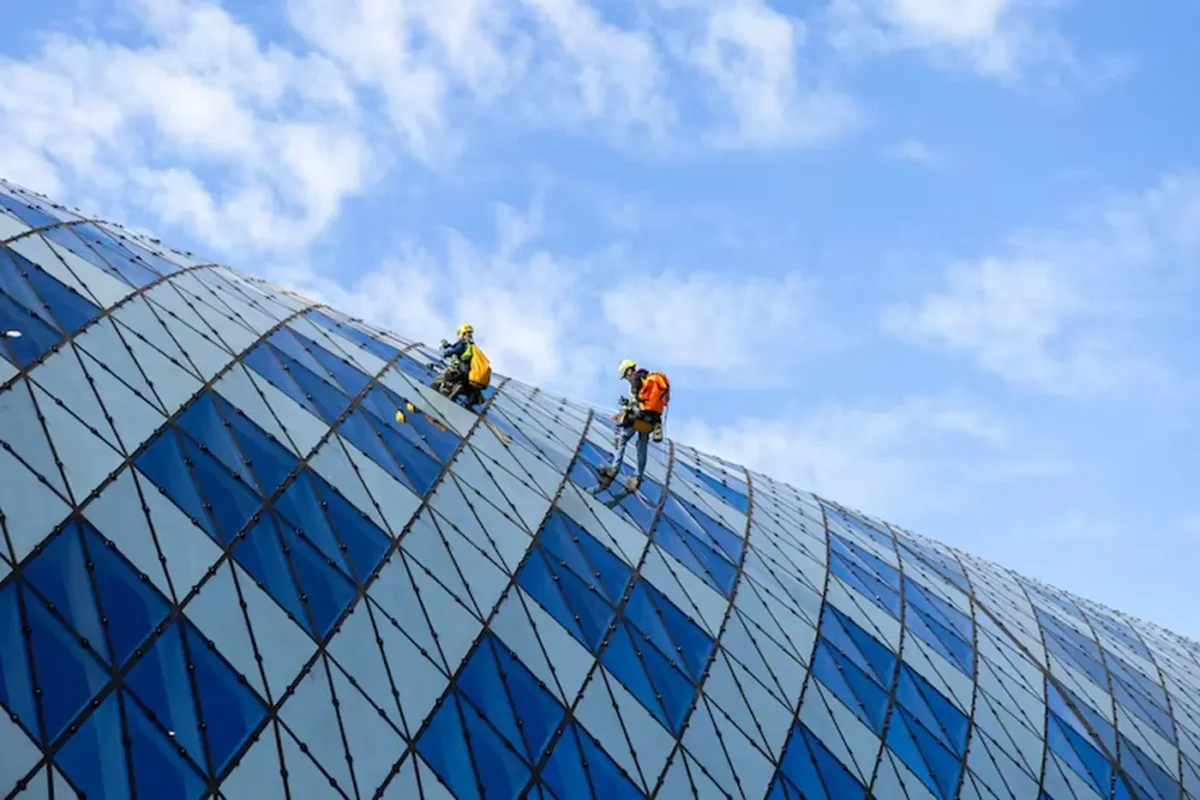
Industrial rope access offers a practical alternative, allowing experienced technicians to reach difficult areas of buildings and carry out specialist facade repairs with greater flexibility and minimal disruption.
At Extreme Industrial Abseiling Ltd, specialist rope access techniques support efficient building maintenance, facade inspections and high-level repair work. By combining professional access methods, careful planning and appropriate safety procedures, complex external building repairs can be completed while helping businesses and residents maintain their normal daily activities.
Why Complex Facade Repairs Require Specialist Access Solutions
Building facades are continuously exposed to changing weather conditions, temperature fluctuations, moisture, pollution and general environmental deterioration. Over time, these factors can weaken external materials, compromise fixings and affect the weatherproofing of a structure.
Identifying and repairing these issues becomes more challenging when they occur on high-rise buildings, commercial properties, residential developments or structures with unusual architectural features.
Some common facade problems include:
- Loose or damaged cladding: Deteriorating fixings and damaged panels can create falling-object hazards.
- Leaking curtain walling: Failed seals, damaged gaskets and defective joints can allow water to enter the building.
- Cracked or deteriorating render: Weather exposure and structural movement can cause render to crack, detach or become unstable.
- Spalling concrete: Water penetration and reinforcement corrosion can cause concrete surfaces to crack and break away.
- Failed external sealants: Deteriorated sealant around windows, doors and movement joints can compromise weather resistance.
- Balcony deterioration: Damaged concrete, corroded reinforcement and failing protective coatings can affect balcony safety and durability.
These problems require more than straightforward cosmetic repairs. A suitable solution must consider the underlying cause, the condition of surrounding materials, access restrictions and the safety of people using the building.
How Industrial Rope Access Makes Facade Repairs More Efficient
Rope access is a specialist working-at-height technique that enables trained technicians to reach elevated and restricted areas using professionally installed rope systems.
Unlike conventional scaffolding, rope access does not normally require extensive ground-level structures or large working platforms. This makes it particularly useful for buildings where access is difficult or disruption needs to be minimised.
1. Thorough Assessment and Risk Management
Every successful facade repair project begins with an assessment of the building and the work required.
Before repairs commence, the access arrangements, structural conditions, environmental factors and potential hazards must be considered. A suitable method statement and risk assessment help establish the safest approach.
The assessment may include:
- Identifying loose, damaged or unstable facade materials.
- Examining the condition of external fixings and joints.
- Assessing suitable roof-level anchorage and rigging arrangements.
- Establishing exclusion zones where necessary.
- Planning equipment, materials and waste-handling procedures.
- Preparing emergency and rescue arrangements.
This preparation helps ensure that the work can be carried out efficiently without compromising safety.
2. Controlled Removal of Damaged Materials
Loose cladding, deteriorating render and unstable facade components must be handled carefully to prevent falling debris and additional damage.
Rope access technicians can reach affected areas directly and carry out controlled removal or temporary stabilisation where appropriate.
Depending on the nature of the repair, suitable measures may include:
- Carefully removing damaged facade sections.
- Securing loose components using appropriate methods.
- Containing small quantities of debris.
- Lowering waste in controlled loads.
- Maintaining suitable exclusion zones beneath the work area.
Effective debris management is particularly important on busy commercial streets, residential developments and occupied buildings.
3. Precision Repairs at Difficult Heights
One of the main advantages of rope access is the ability to position technicians close to the affected area.
This allows specialist repairs to be undertaken without installing extensive access structures across an entire building elevation.
Depending on the findings of the inspection, facade repair work may involve:
- Replacing damaged cladding panels and associated components.
- Repairing or replacing failed curtain wall gaskets.
- Renewing external weatherproofing seals.
- Treating exposed or corroded reinforcement following an appropriate concrete repair specification.
- Removing and reinstating defective render.
- Repairing cracks and movement joints.
- Applying suitable protective coatings and finishes.
Materials and repair methods should be selected according to the building’s construction, manufacturer recommendations and relevant technical requirements.
4. Minimising Disruption to Occupied Buildings
Maintaining access to commercial premises, residential developments and public buildings is an important consideration during external maintenance.
Scaffolding can restrict entrances, obstruct pavements, affect natural light and create additional security concerns. Rope access can reduce many of these challenges because technicians generally work directly from suspended systems.
Where the project allows, work schedules can also be arranged around building operations, including early mornings, evenings or weekends.
This approach can help:
- Reduce disruption to residents and tenants.
- Maintain access to shops and commercial premises.
- Limit interference with everyday business activities.
- Reduce the need for extensive ground-level equipment.
- Keep surrounding areas accessible wherever practicable.
Although some projects may still require temporary exclusion zones, traffic management or local permissions, carefully planned rope access can significantly simplify the working arrangements.
Common Facade Repairs Completed Using Rope Access
Industrial rope access is suitable for a wide range of external building maintenance and repair activities. The exact scope depends on the building’s condition, the accessibility of the affected areas and the complexity of the repair.
Cladding Panel Repairs and Replacement
Cladding systems protect buildings from external weather conditions while contributing to their appearance and thermal performance.
Loose panels, damaged fixings, deteriorating joints and water ingress can compromise the effectiveness of the facade. Rope access provides a way to inspect affected sections, identify defects and undertake suitable repairs or replacement work.
Curtain Walling and Glazing Repairs
Curtain wall systems are commonly found on commercial buildings and modern developments. Their performance depends on correctly installed glazing, gaskets, pressure plates, seals and connections.
Rope access technicians can reach difficult sections to assist with inspections, seal replacement and other approved maintenance tasks.
Concrete Repairs and Balcony Maintenance
Concrete deterioration is a common concern in ageing buildings, particularly where moisture reaches embedded steel reinforcement.
Spalling concrete, exposed reinforcement and surface cracking should be assessed to establish the extent of deterioration. Appropriate repair work may involve removing defective concrete, treating reinforcement, reinstating the concrete and applying protective finishes.
Balcony inspections and repairs are particularly important where deteriorating materials could create hazards for occupants or pedestrians.
Render Repairs and External Finishing
Cracked, hollow or detached render can affect both the appearance and weather resistance of a building.
Rope access enables technicians to inspect affected elevations and carry out localised repairs, including removing defective material, preparing surfaces and applying compatible repair finishes.
Window Perimeter Sealing and Movement Joint Repairs
External seals around windows, doors and building movement joints can deteriorate over time.
Replacing failed sealants helps restore weather resistance and reduce the risk of water penetration. Rope access allows these areas to be reached without the need for extensive scaffolding in many situations.
Rope Access vs Scaffolding: Choosing the Right Method
Both scaffolding and rope access have important roles in building maintenance. However, the most appropriate method depends on the height, condition, complexity and duration of the work.
| Consideration | Industrial Rope Access | Traditional Scaffolding |
| Installation | Generally quicker to establish | Requires assembly and dismantling |
| Ground-level space | Usually requires less space | Can occupy substantial space |
| Access to difficult areas | Highly adaptable | May require complex configurations |
| Building disruption | Often reduced | Can affect entrances and surroundings |
| Project suitability | Targeted inspections and repairs | Extensive or prolonged work |
| Cost considerations | Can be economical for suitable projects | Additional installation and hire costs |
For localised facade repairs and difficult-to-reach areas, rope access may provide a more efficient and cost-effective option.
However, scaffolding may remain preferable for extensive refurbishment, substantial material replacement or projects requiring continuous platform access.
A professional site assessment helps determine the most appropriate solution.
Safety Standards and Professional Rope Access Practices
Working at height requires careful planning, competent personnel and appropriate equipment. Safety must remain the priority throughout every stage of a facade repair project.
In the UK, work at height is governed by the Work at Height Regulations 2005. Employers and contractors must ensure that work is properly planned, appropriately supervised and undertaken by competent people.
Professional industrial rope access projects should consider:
- Suitable rope access training and competence, including recognised IRATA qualifications where applicable.
- Appropriate personal protective equipment.
- Suitable anchorage systems and independent safety arrangements.
- Equipment inspection and maintenance.
- Site-specific risk assessments and method statements.
- Weather and environmental conditions.
- Emergency and rescue planning.
- Appropriate exclusion zones and public protection measures.
The IRATA International Code of Practice provides an important framework for safe industrial rope access operations.
At Extreme Industrial Abseiling Ltd, a professional approach to planning, access arrangements and safe working practices is essential when undertaking challenging high-level maintenance and repair projects.
How to Reduce the Cost and Duration of Facade Repairs
Building maintenance budgets can increase significantly when defects are left unresolved. A relatively small issue, such as a failed external seal, may eventually contribute to internal water damage, material deterioration and more extensive repair requirements.
A proactive maintenance strategy can help property owners and facilities managers manage these risks.
Some useful considerations include:
Arrange regular facade inspections: Periodic inspections help identify developing defects before they become more serious.
Address loose materials promptly: Damaged cladding, unstable render and deteriorating concrete should be assessed without unnecessary delay.
Choose an appropriate access method: Rope access may reduce installation requirements and associated costs for suitable repair projects.
Use compatible repair materials: Selecting products appropriate to the original facade system helps support durability and long-term performance.
Coordinate work with building operations: Scheduling repairs around occupancy and business hours can reduce disruption.
Maintain accurate repair records: Documenting inspections, defects and completed work helps inform future maintenance decisions.
Why Choose Extreme Industrial Abseiling Ltd for Facade Repairs?
Choosing the right specialist contractor is important when dealing with complex external building defects. High-level repair work requires technical knowledge, professional access skills and a clear understanding of working-at-height safety.
Extreme Industrial Abseiling Ltd provides a specialist rope access approach for challenging building maintenance and high-level repair requirements.
When planning facade maintenance, clients can benefit from:
- Specialist access solutions: Rope access techniques for difficult-to-reach building elevations and structures.
- Reduced disruption: Practical working arrangements designed to minimise interference with occupied buildings and surrounding activities.
- Flexible project planning: Access solutions suited to different building types and maintenance requirements.
- Safety-focused operations: Careful consideration of working-at-height risks, equipment and rescue arrangements.
- Targeted repair work: Access to localised defects without necessarily requiring extensive scaffolding.
- Professional project coordination: A structured approach from initial assessment through to completion.
Whether the requirement involves damaged cladding, concrete deterioration, leaking facade joints or general external building maintenance, selecting an appropriate access solution can make a significant difference to project efficiency.
Protect Your Building with Professional Rope Access Facade Repairs
Facade defects should never be overlooked. Loose external materials, leaking joints, deteriorating concrete and damaged cladding can affect building safety, performance and appearance.
Taking early action helps prevent minor problems from developing into expensive and disruptive repairs.
Industrial rope access offers an effective solution for many high-level maintenance projects across the UK, particularly where conventional access methods are difficult, costly or impractical.
Extreme Industrial Abseiling Ltd can be considered for specialist rope access and high-level building maintenance requirements, helping property owners, facilities managers and contractors approach complex external repairs with a practical, safety-conscious solution.
If your building requires facade inspections, cladding repairs, concrete maintenance or other difficult-to-access external work, contact Extreme Industrial Abseiling Ltd to discuss your project and identify a suitable access and repair approach.
Frequently Asked Questions
1. What Are the Main Benefits of Rope Access for Facade Repairs?
Rope access provides flexible access to difficult-to-reach building elevations without necessarily requiring extensive scaffolding. It can reduce setup time, ground-level obstruction and disruption, making it suitable for many targeted facade repairs.
2. Can Facade Repairs Be Completed Without Scaffolding?
Yes. Many localised facade inspections and repairs can be completed using industrial rope access. The suitability depends on the building structure, repair requirements, access conditions and safety considerations.
3. Which Building Defects Can Rope Access Technicians Repair?
Common work includes cladding maintenance, render repairs, external seal replacement, curtain wall maintenance, concrete repairs and balcony inspections.
4. Is Rope Access Suitable for High-Rise Buildings?
Yes. Professional rope access techniques are frequently used for maintenance and inspection work on tall commercial and residential buildings, provided suitable anchorage, access and rescue arrangements are available.
5. Does Rope Access Cause Disruption to Building Occupants?
Rope access generally causes less disruption than extensive scaffolding installations. However, temporary exclusion zones and other safety measures may still be necessary depending on the project.
6. How Often Should Building Facades Be Inspected?
Inspection frequency depends on the building’s age, construction, exposure, maintenance history and risk profile. Regular condition assessments and prompt investigation of visible defects help support effective building maintenance.
7. Is Rope Access More Affordable Than Scaffolding?
For suitable projects, rope access can be more economical because it may reduce installation, hire and dismantling costs. However, the final cost depends on the scope, duration, materials and complexity of the work.
8. How Can I Arrange a Facade Repair Assessment?
Contact Extreme Industrial Abseiling Ltd to discuss your building maintenance requirements. Details about the building, location, visible defects and proposed work will help establish the appropriate next steps.

